
Choosing the right school is one of the most important decisions parents make for their children. With the rapid growth of residential communities and educational infrastructure in the region, families are increasingly searching for the top 5 schools in Noida Extension that can provide a balanced and meaningful learning experience.
However, choosing a school should involve more than looking at rankings, examination results, or the number of facilities available on campus. Education is changing, and children today need to prepare for a world that is very different from the one previous generations experienced.
Modern education focuses on developing students academically while also helping them become confident, creative, responsible, adaptable, and socially aware individuals. Therefore, when comparing schools in Noida Extension, parents should consider how effectively a school prepares children for both academic success and real-life challenges.
Modern education is not about replacing traditional learning. Instead, it builds upon a strong academic foundation and introduces methods that encourage students to understand, explore, question, and apply what they learn.
A modern learning environment can include:
These elements can help children become active participants in their own learning rather than simply memorising information for examinations.
Academic knowledge remains an essential part of a child's education. Subjects such as mathematics, science, languages, and social sciences help students develop the knowledge required for higher education.
Modern education makes this learning more practical and engaging. Instead of focusing entirely on memorisation, teachers can encourage students to understand concepts and connect them with real-world situations.
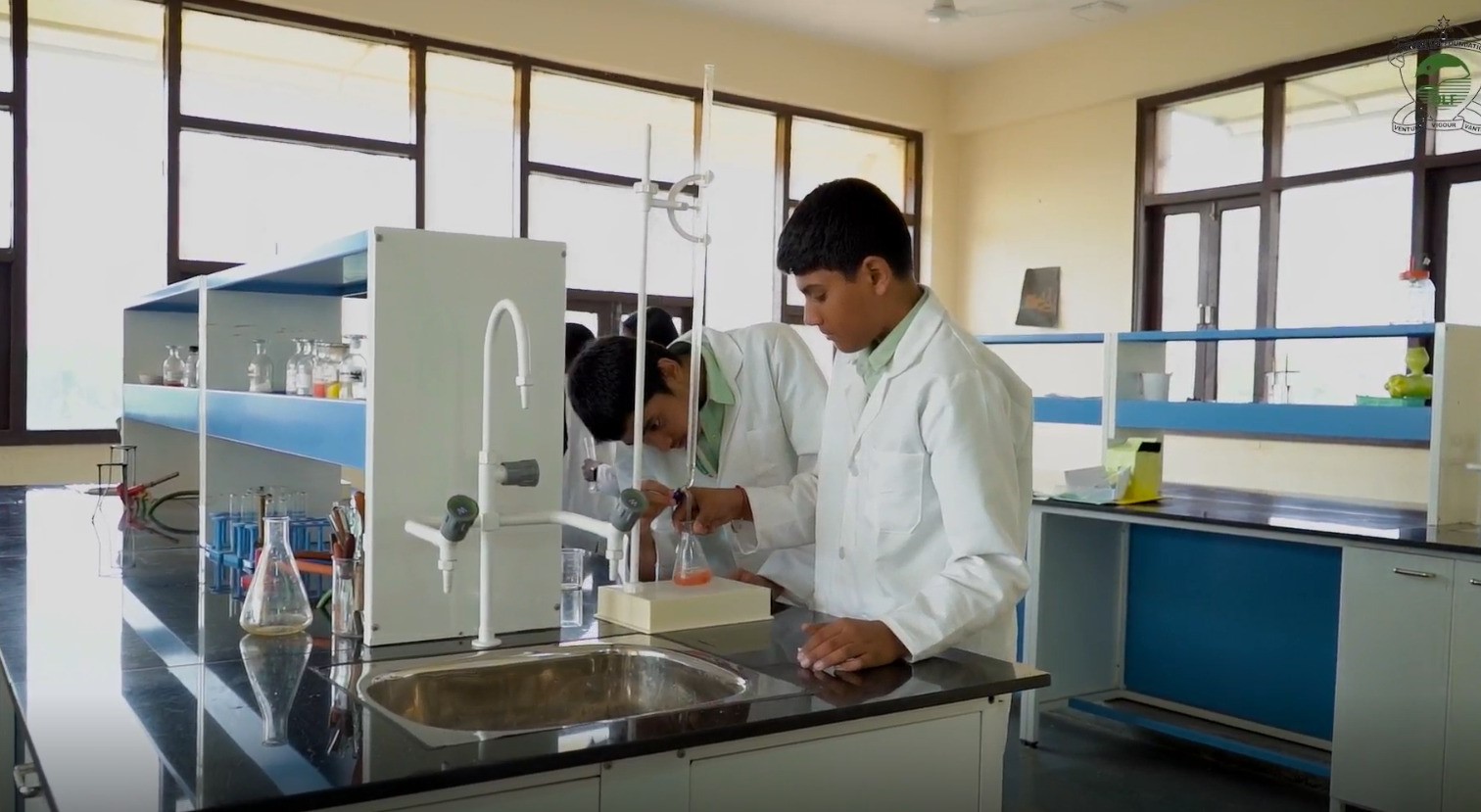
For example, scientific concepts can be explored through experiments, while mathematics can be connected to everyday problems. This approach can make learning more meaningful and easier to apply.
The modern world gives children access to an enormous amount of information. As they grow older, they need to know how to evaluate information, ask questions, identify problems, and make sensible decisions.
Critical thinking can be encouraged through:
These activities can help students develop the ability to think independently and understand different perspectives.
Creativity is an important part of modern learning. It is not limited to drawing, painting, music, or performing arts. Creative thinking is also useful in science, technology, entrepreneurship, communication, design, and problem-solving.
Schools can encourage creativity through art projects, writing, theatre, music, model-making, innovation activities, and project-based learning.
Giving students opportunities to experiment, make mistakes, and try alternative solutions can help them develop confidence in their own ideas.
Education should not stop when the school bell rings. Activities outside regular classroom lessons can contribute significantly to a child's development.
Parents looking at the top 5 schools in Noida Extension can therefore consider whether schools provide meaningful opportunities for sports, arts, clubs, competitions, projects, field experiences, and community activities.
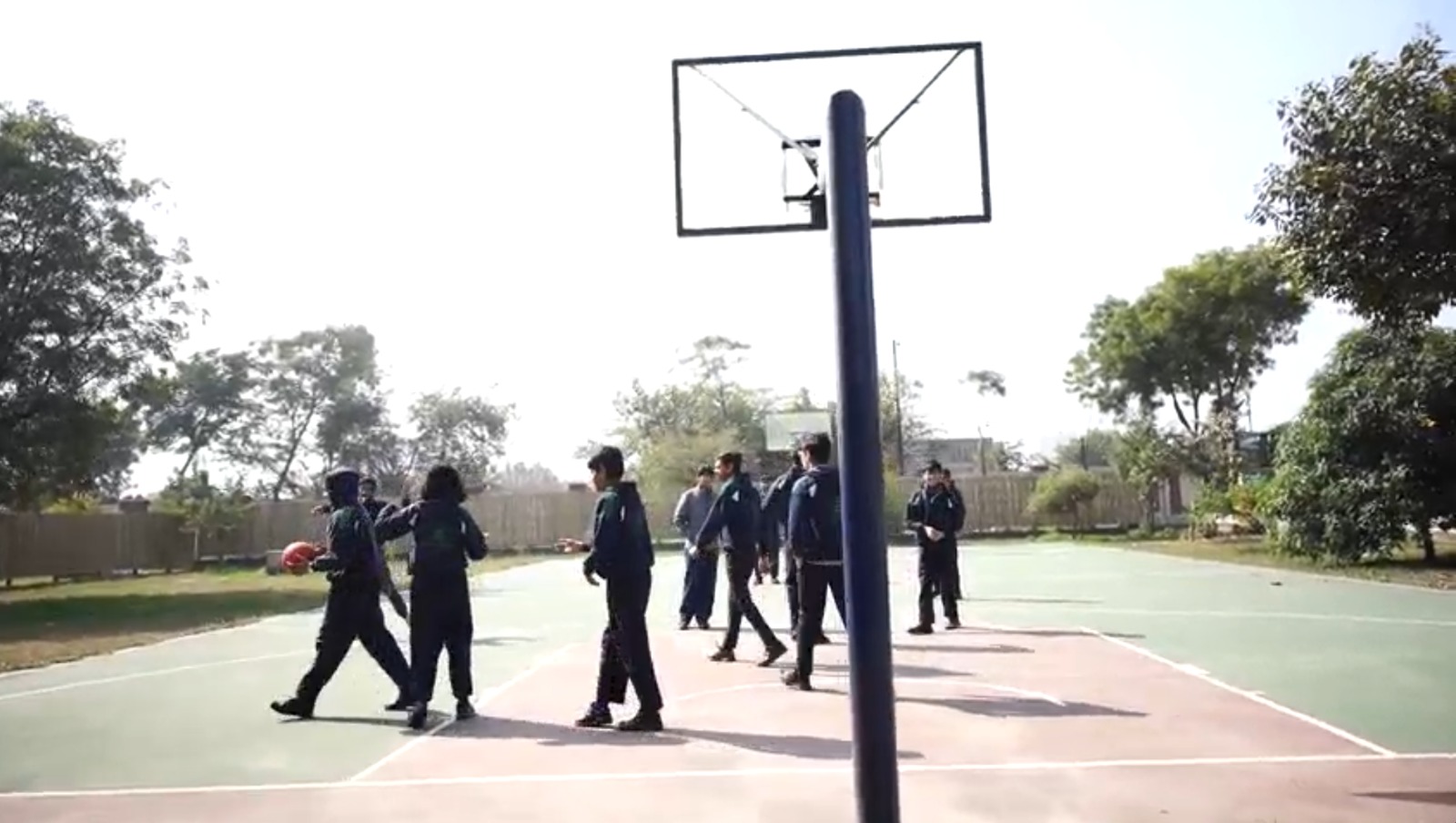
Physical activity is an important part of a balanced education. Sports can help children develop fitness while also teaching qualities such as discipline, teamwork, perseverance, patience, and sportsmanship.
Participation in team sports can also teach students how to cooperate with others, handle challenges, and work toward shared goals.
A balanced education should therefore give students sufficient opportunities to participate in physical activities.
The ability to communicate clearly and work with others is valuable in both academic and professional life.
Presentations, group projects, debates, classroom discussions, cultural activities, and collaborative assignments can help students become more comfortable expressing their thoughts and listening to others.
These experiences can gradually build confidence and interpersonal skills.
Technology has become an important part of everyday life. Students use digital tools for communication, research, learning, entertainment, and eventually work.
Modern education can introduce students to technology through digital learning resources, multimedia content, interactive tools, educational applications, simulations, and research platforms.
At the same time, students should learn responsible technology use. Digital education should include awareness about online safety, information reliability, privacy, communication etiquette, and healthy screen habits.
The objective is not simply to introduce more devices into classrooms but to teach students how technology can be used meaningfully and responsibly.
A child's education is not complete without considering emotional and social development.
Students may experience academic pressure, friendship challenges, changing interests, and uncertainty about their future. A supportive school environment can help them develop confidence, resilience, and healthy ways of handling challenges.
Modern education can encourage students to:
Teachers and school staff can play an important role by creating an environment where students feel respected and comfortable participating in the learning process.
The purpose of education extends beyond academic qualifications. Schools also contribute to the development of responsible individuals who understand their role within society.
Values such as honesty, empathy, respect, kindness, responsibility, cooperation, and fairness can be incorporated into everyday school life.
Leadership activities, community initiatives, teamwork, classroom responsibilities, and social projects can help students understand the importance of contributing positively to their surroundings.
This is an important part of modern education because future success should not be measured only by professional achievements but also by how individuals contribute to society.
Children today will inherit many of the environmental challenges facing the world. Schools can therefore help students understand sustainability and responsible use of natural resources.
Environmental education can involve:
Such experiences can turn environmental concepts into practical learning and encourage responsible habits from an early age.
One of the most important objectives of modern education is future readiness.
Career opportunities are changing rapidly because of technology, automation, globalisation, and evolving industries. Students therefore need skills that can remain useful even as specific jobs change.
Schools can help develop transferable skills such as:
These abilities can complement academic knowledge and help students adapt to higher education, professional environments, and everyday responsibilities.
The search for the top 5 schools in Noida Extension can be a useful starting point, but parents should look beyond online rankings when making the final decision..
Some important factors to consider include:
A school visit can also be valuable. Parents can observe the learning environment, understand the school's educational philosophy, and discuss their child's individual needs with the school.
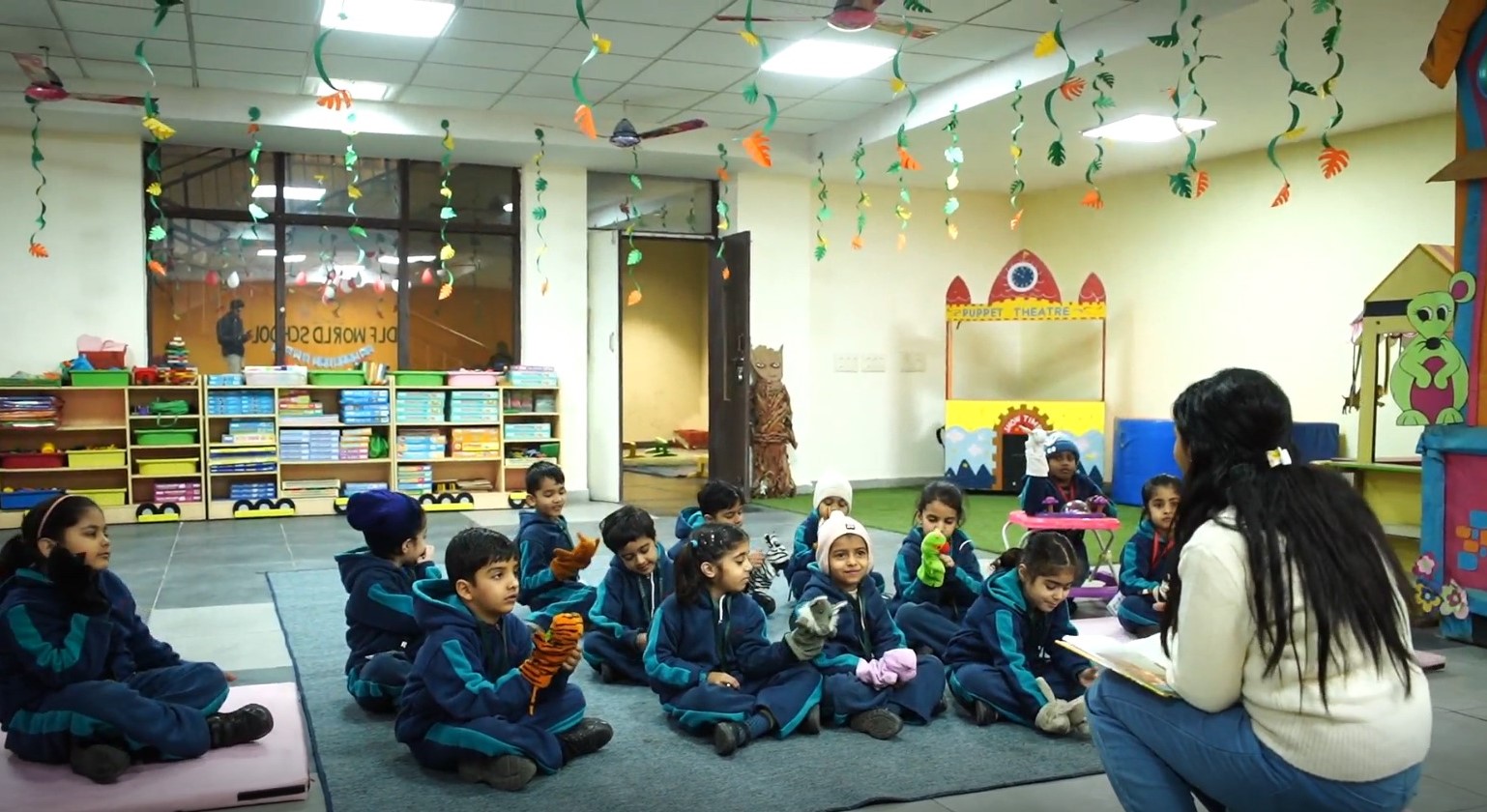
For families exploring schools around Noida Extension and Greater Noida, DLF World School offers an example of an educational approach where learning can extend beyond traditional academics.
The broader idea of holistic education focuses on developing different aspects of a child's personality, including academic understanding, communication, creativity, physical development, confidence, values, practical skills, and social awareness.
For parents, considering these aspects alongside curriculum and infrastructure can provide a more complete picture when evaluating educational options for their children.
Searching for the top 5 schools in Noida Extension is often the first step parents take when looking for a suitable educational environment. But the right school should ultimately be evaluated on the quality and breadth of education it provides rather than a ranking alone.
Modern education recognises that children need more than academic knowledge. They need critical thinking, creativity, communication, physical fitness, emotional confidence, digital awareness, environmental responsibility, life skills, and strong values.
A balanced educational environment can help students become independent learners, responsible citizens, and adaptable individuals who are better prepared for the future. For parents in Noida Extension and surrounding areas, looking at education from this wider perspective can make the process of choosing a school more informed and meaningful.