
Choosing a school is one of the most important decisions parents make for their children. With many educational institutions available, parents searching for the top 20 schools in Noida often begin by comparing academic results, curriculum, infrastructure, location, and facilities.
However, choosing a school should go beyond examination scores. School is where children spend some of their most formative years. It is where they learn how to think, communicate, collaborate, manage challenges, respect others, and gradually understand their responsibilities towards society.
A meaningful education should therefore develop the whole child—academically, physically, emotionally, socially, creatively, and ethically.
There is no single feature that defines a good school. Every child has different abilities, interests, learning needs, and aspirations.
When comparing the top 20 schools in Noida, parents can consider whether each school provides a balanced educational environment that includes:
A school that supports these areas can give children a more comprehensive foundation for their future.
Academic education remains an essential part of student life. Children need strong foundations in languages, mathematics, science, social sciences, and other subjects to progress confidently into higher education.
However, effective academic learning should not depend entirely on memorisation.
Students should be encouraged to understand concepts, ask questions, conduct research, analyse information, and apply their knowledge to real-world situations.
This approach helps develop independent learners who can continue learning throughout their lives.
The future will present students with problems that may not have simple or predetermined answers. Critical thinking therefore becomes an important educational skill.
Schools can encourage students to:
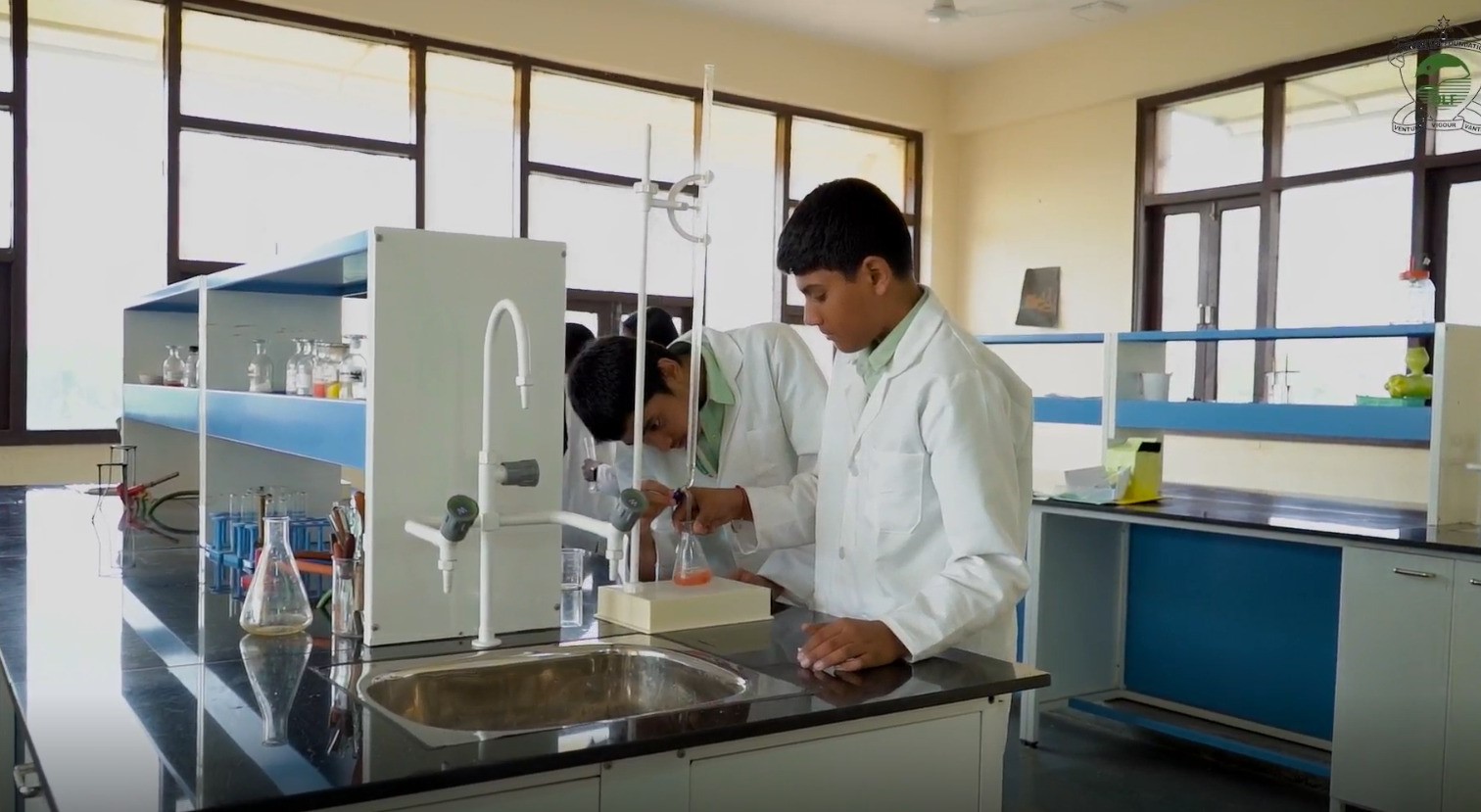
Projects, experiments, debates, discussions, puzzles, and research activities can provide practical opportunities to develop these abilities.
A child's development is not complete without physical activity.
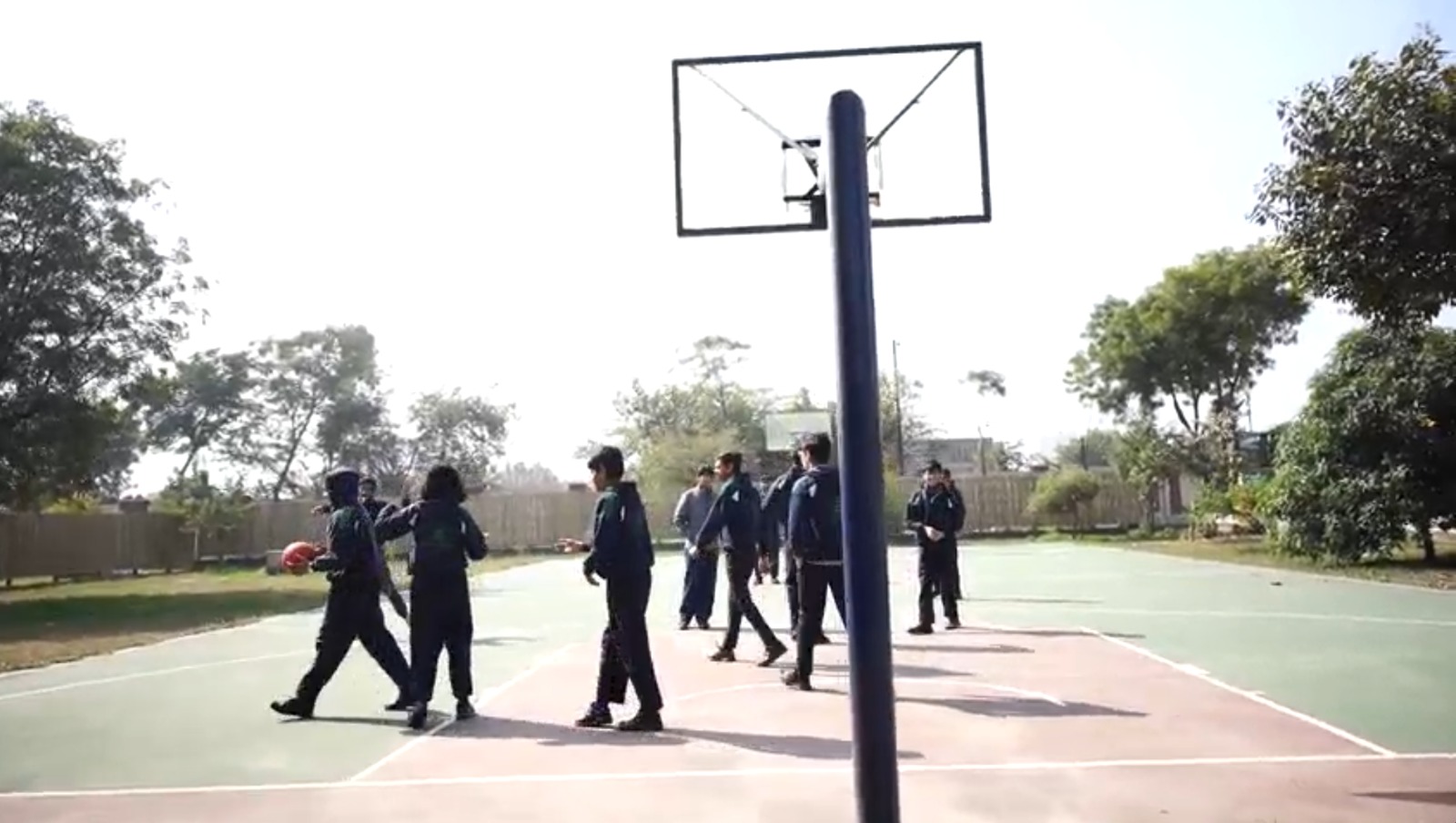
Sports can help students build fitness while teaching valuable qualities such as discipline, teamwork, patience, resilience, and sportsmanship.
Participation in team sports also teaches children how to work towards a shared goal and how to respond positively to both success and failure.
Parents evaluating schools should therefore look at the opportunities available for regular physical education and sports.
Children have different talents. Academic subjects may reveal some abilities, while music, art, theatre, dance, writing, and other creative activities may reveal others.
Creative education gives students an opportunity to experiment and express themselves.
It can help develop:
Providing children with different avenues for expression can help them discover interests that may influence their future.
Good communication is essential in almost every part of life.
Students should learn not only how to speak clearly but also how to listen, understand different viewpoints, and communicate respectfully.
Schools can develop communication through:
These experiences can gradually make students more confident when communicating with teachers, peers, and wider audiences.
Student life can involve academic expectations, examinations, friendships, competitions, and decisions about the future. Children need appropriate support to manage these experiences.
A supportive school environment should make students feel respected, heard, and safe.
Teachers and counsellors can help students understand their emotions, communicate concerns, develop healthy coping strategies, and approach challenges with greater confidence.
Emotional well-being should not be considered separate from education. A child who feels secure and supported is more likely to engage positively with learning.
School provides children with opportunities to interact with people from different backgrounds and personalities.
Through group activities, projects, sports, clubs, and everyday classroom interactions, students learn to:
These social skills become increasingly important as students move into higher education, professional environments, and society.
Leadership development begins long before students enter the workplace.
Schools can provide opportunities for children to take responsibility through student councils, clubs, sports teams, events, projects, and other activities.
Leadership teaches students to take initiative, make decisions, accept accountability, and support others.
Importantly, leadership is not about authority. It is about responsibility and the ability to positively influence a group.
Technology has become an important part of education and modern life. Students need to understand how digital tools can support research, creativity, communication, and learning.
Technology-enabled education may include:
Students should also understand responsible technology use, online behaviour, information evaluation, and digital etiquette.
One of the most important responsibilities of a school is to help children understand values.
Academic knowledge can help students build careers, but values influence how they use their knowledge and abilities.
Schools can encourage:
These values influence how students interact with their families, friends, communities, and society.
Education should prepare students not only to become successful professionals but also responsible citizens.
A good citizen understands that personal actions can affect other people and the environment.
Students can develop civic responsibility through community activities, environmental initiatives, volunteering, social awareness programmes, teamwork, and discussions about real-world issues.
They learn that being a responsible member of society involves respecting others, following rules, helping people, protecting shared resources, and contributing positively to the community.
Today's students will inherit responsibility for addressing future environmental challenges.
Schools can make environmental education practical through:
These activities can help children understand that protecting the environment is a shared responsibility.
School education eventually leads students towards higher education and professional opportunities.
As children move into senior classes, they need guidance to understand different academic pathways and career possibilities.
Schools can support this through:
The aim should be to help students make informed choices based on their interests, abilities, and aspirations.
A successful education should gradually teach children to take responsibility for their own learning and decisions.
Students can develop independence by managing assignments, organising their work, participating in projects, setting goals, and reflecting on their progress.
These habits can make the transition to college and adult life easier.
Parents and schools share an important responsibility in a child's development.
Regular communication between teachers and parents can help identify a student's strengths, interests, challenges, and areas requiring additional support.
A strong partnership ensures that children receive consistent encouragement both inside and outside the classroom.
For families researching the top 20 schools in Noida, rankings and lists can provide a starting point, but parents should ultimately evaluate what an institution offers their individual child.
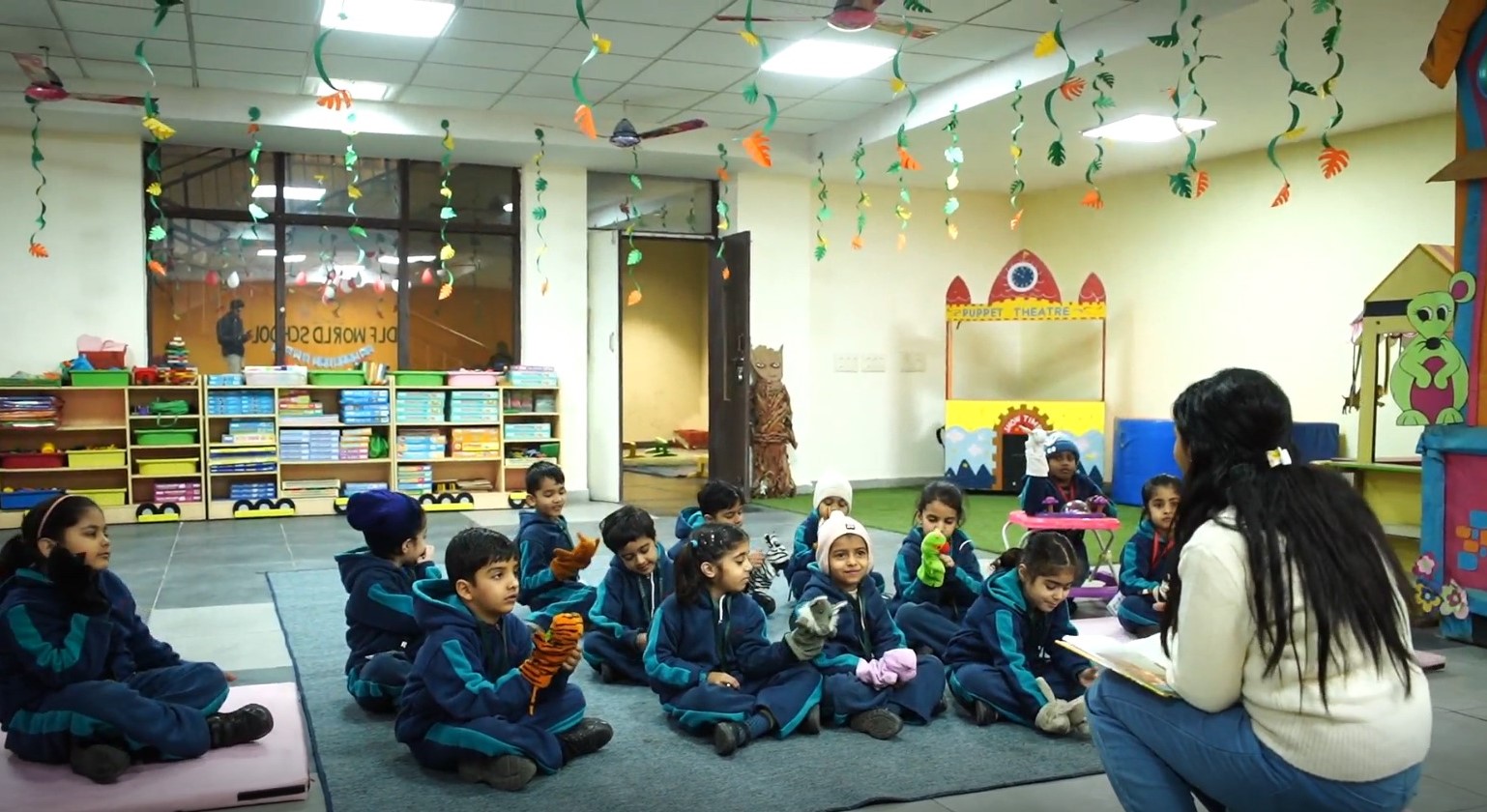
DLF World School takes a holistic approach towards education, focusing on developing students beyond academics. The broader objective is to provide opportunities for learners to develop knowledge, confidence, creativity, communication skills, values, physical fitness, and social awareness.
This approach recognises that the purpose of education is not limited to preparing children for examinations. It is about helping them become capable individuals who can face future challenges and contribute positively to society.
Before selecting a school, parents can ask themselves several questions:
These questions can help parents move beyond simply searching for a name on a top 20 schools in Noida list and instead focus on finding the right educational environment.
Searching for the top 20 schools in Noida is often the beginning of a much larger decision. The real question parents need to ask is what kind of environment will help their child grow.
A strong school should provide academic knowledge while also nurturing creativity, communication, physical health, emotional confidence, social skills, leadership, values, and a sense of responsibility.
The ultimate purpose of education is not merely to produce high scores or successful professionals. It is to help young people become thoughtful human beings who can make informed decisions, respect others, care for their environment, contribute to their communities, and become responsible citizens.
When schools and families work together with this broader purpose in mind, education becomes more than a preparation for examinations—it becomes preparation for life.