

Education plays an important role in shaping a child's personality, abilities, confidence, and future. As residential communities and educational options continue to grow around the Noida Expressway, parents increasingly look for schools in Noida Expressway that can provide children with more than conventional classroom learning.
Today, education is no longer limited to textbooks, examinations, and memorising information. Children are growing up in a rapidly changing world influenced by technology, global communication, new career opportunities, and evolving social and environmental challenges. As a result, schools need to prepare students with knowledge as well as the skills and values required to navigate the future.
This is why modern education has become an important consideration when parents evaluate schools for their children.
Modern education focuses on creating a balanced learning experience. Academic subjects remain essential, but students are also encouraged to develop creativity, communication, critical thinking, collaboration, problem-solving, and practical life skills.
A modern educational approach can include:
When exploring schools in Noida Expressway, parents can therefore consider how effectively a school combines academic learning with these broader areas of development.
Academic learning remains at the heart of education. Students need a strong understanding of subjects such as mathematics, science, languages, and social sciences to progress confidently into higher education.
Modern education makes academic learning more meaningful by encouraging students to understand concepts and apply them instead of relying entirely on memorisation.
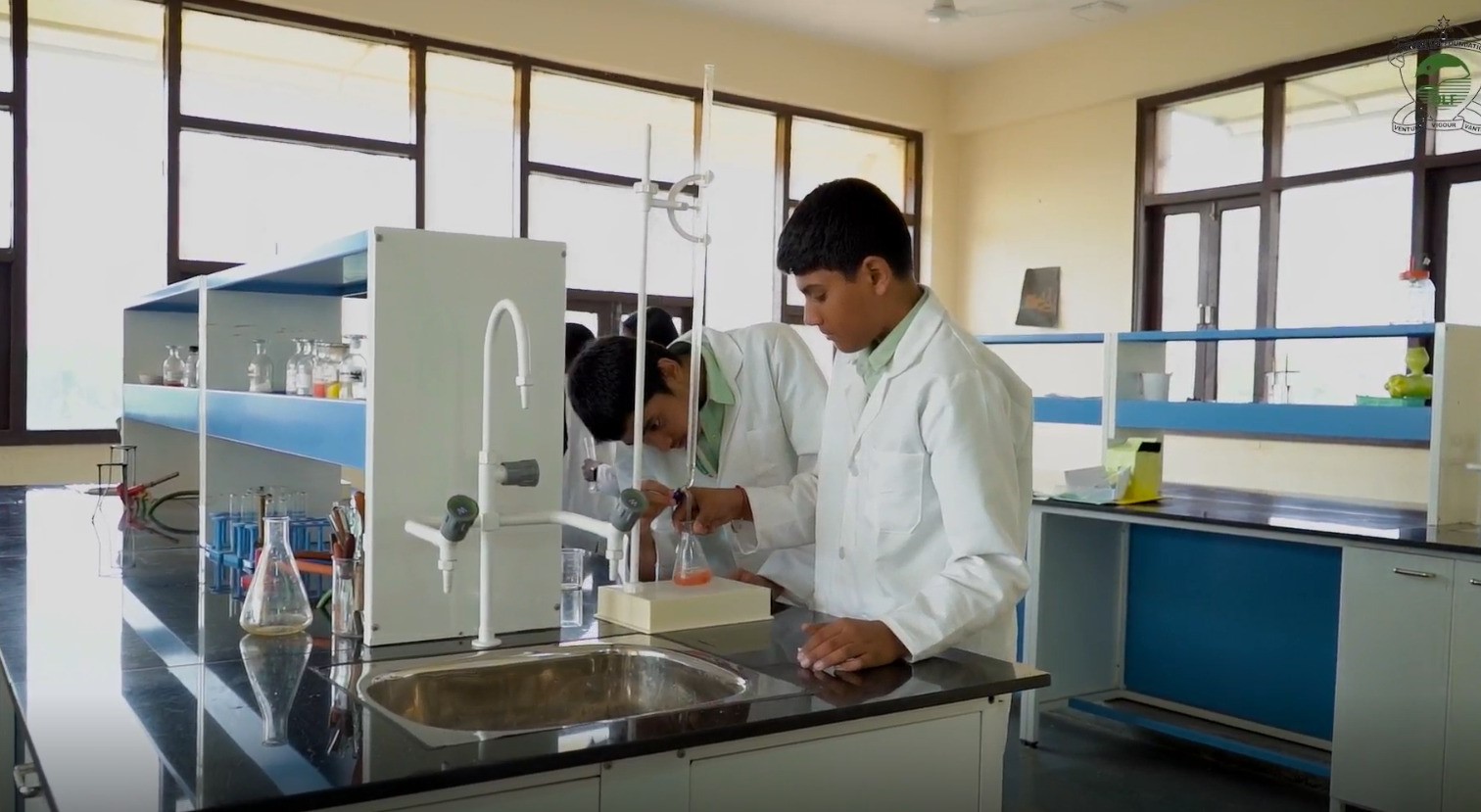
For example, a science lesson can involve experiments, observation, discussion, and real-world applications. This can help students understand how classroom knowledge connects with the world around them.
Children today have access to vast amounts of information. Knowing how to evaluate information, ask meaningful questions, identify problems, and make logical decisions is therefore increasingly important.
Schools can encourage critical thinking through:
These activities can help students become independent thinkers rather than passive learners.
Creativity is an important skill in almost every area of modern life. Whether students eventually work in science, technology, business, design, education, healthcare, or another field, the ability to think differently can be valuable.
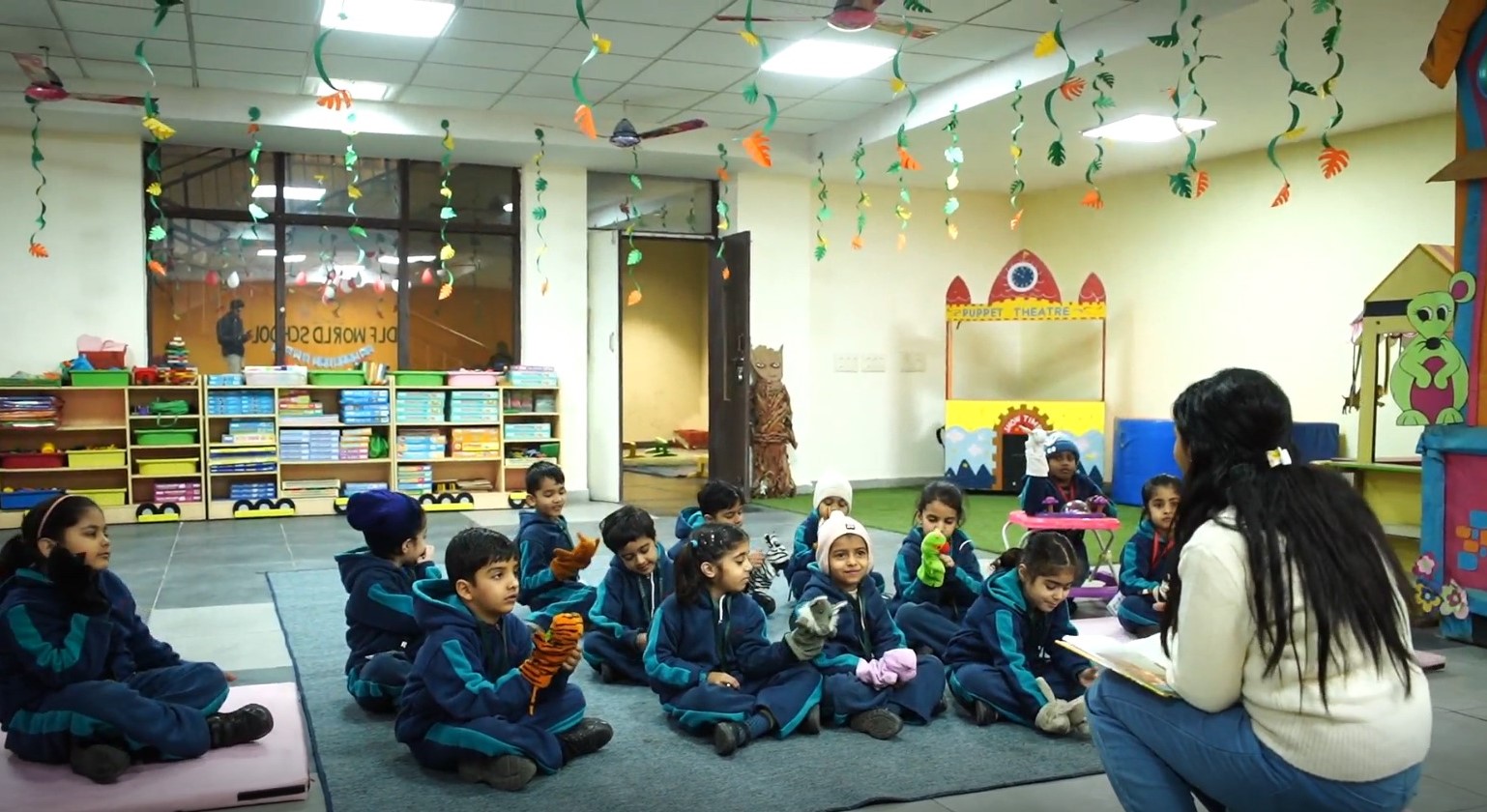
Modern schools can encourage creativity through art, music, writing, theatre, project-based learning, model-making, technology, and innovative classroom activities.
Allowing children to experiment and learn from mistakes can also help them become more confident in expressing their ideas.
A child's education is influenced by much more than classroom lessons. Sports, cultural activities, clubs, competitions, field visits, and collaborative projects can contribute significantly to overall development.
Parents considering schools in Noida Expressway can look for opportunities that allow children to explore interests outside academics.
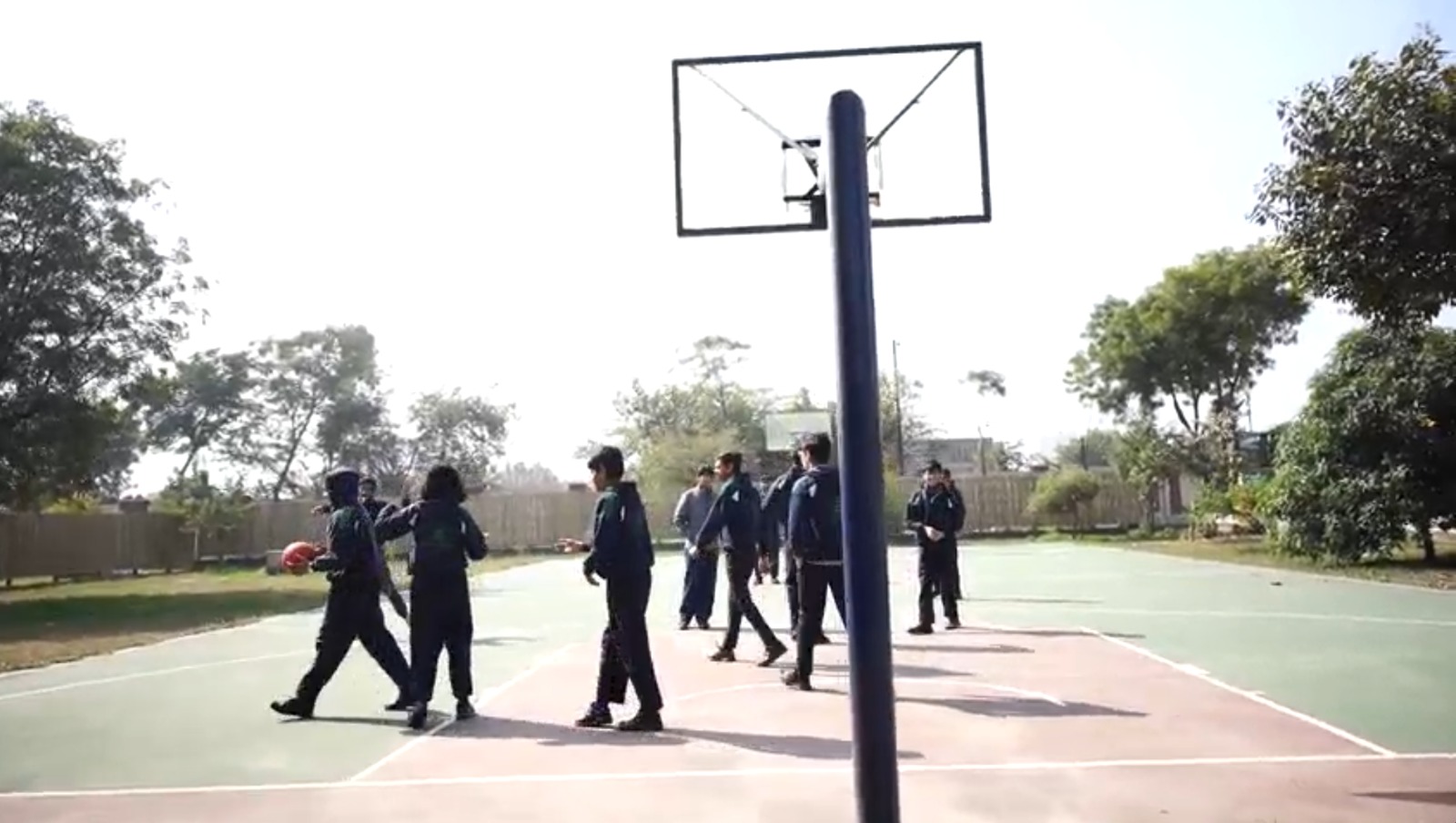
Physical activity contributes to healthy growth and can teach students valuable qualities such as discipline, teamwork, perseverance, and sportsmanship.
Participation in sports also gives children opportunities to set goals, handle both success and disappointment, and work as part of a team.
A balanced education should therefore give students sufficient opportunities to participate in physical activities.
Communication is an essential life skill. Students need to learn how to express ideas clearly, listen to others, work in teams, and participate respectfully in discussions.
Presentations, group projects, debates, classroom discussions, cultural activities, and team-based assignments can help students gradually develop these abilities.
These experiences can also improve confidence and prepare students for future academic and professional environments.
Technology has transformed the way people learn, communicate, work, and access information. As a result, digital literacy has become an important component of modern education.
Schools can use digital tools, multimedia resources, educational applications, interactive content, simulations, and online research to complement traditional teaching methods.
However, technology should be used thoughtfully. Students should also learn how to use digital resources responsibly, distinguish reliable information from misleading content, protect personal information, and maintain healthy digital habits.
The goal is not simply to make classrooms more technological but to help students become capable and responsible users of technology.
Education should support the emotional development of children alongside their academic progress.
Students can experience academic pressure, social challenges, changes in friendships, and uncertainty about the future. A supportive school environment can help them develop confidence and resilience.
Modern education can encourage students to:
Teachers play an important role in creating a classroom environment where students feel comfortable participating, asking questions, and learning from mistakes.
Schools have an important role in helping children understand their responsibilities toward others and society.
Values such as honesty, empathy, respect, kindness, responsibility, cooperation, and fairness can be developed through everyday interactions and practical experiences.
Community activities, teamwork, leadership responsibilities, classroom duties, and social initiatives can help students understand that being educated also means being responsible toward the people and communities around them.
Environmental education has become increasingly relevant to today's students. Children need to understand issues such as conservation, waste management, pollution, biodiversity, and sustainable living.
Schools can make environmental learning practical through gardening, recycling activities, awareness programmes, nature-based activities, projects, and discussions.
Such experiences can help students understand how individual choices influence the wider environment and encourage responsible habits from an early age.
The future workplace will require more than academic qualifications. Students will need transferable skills that can help them adapt to changing technologies, professions, and working environments.
Modern education can help develop:
These skills can complement academic knowledge and give students a stronger foundation for higher education and future careers.
When parents search for schools in Noida Expressway, they may naturally compare curriculum, academic performance, facilities, location, and fees. These are important factors, but the overall learning environment deserves equal attention.
Parents can consider:
Visiting a school and understanding its educational philosophy can help parents make a more informed decision based on their child's individual interests, strengths, and learning needs.
For families exploring educational options around Noida and Greater Noida, DLF World School represents the broader idea that school education should support multiple aspects of student development.
Alongside academic learning, students benefit from opportunities to develop communication, creativity, physical abilities, confidence, values, social awareness, and practical skills. Such an approach reflects the changing expectations of modern education, where the objective is not simply to prepare students for examinations but to help them become capable and responsible individuals.
The growing interest in schools in Noida Expressway reflects the importance parents place on finding an educational environment that can support their children's future.
Modern education offers a broader perspective on learning. It combines academic knowledge with critical thinking, creativity, communication, physical development, emotional well-being, technology awareness, environmental responsibility, and values.
Ultimately, a good school should help children become confident learners, thoughtful individuals, and responsible citizens. When parents evaluate schools, looking at the complete educational experience—not just academic results—can help them choose an environment that supports their child's development today and prepares them for the opportunities and challenges of tomorrow.