
Education today is no longer limited to textbooks, classrooms, and examination results. As the world becomes increasingly connected, students need an education that prepares them to communicate across cultures, understand different perspectives, solve problems, adapt to change, and contribute positively to society.
This is one reason why many parents exploring international schools in Noida are looking beyond traditional academic performance. They are interested in educational environments that combine strong academics with creativity, communication, technology, life skills, values, and global awareness.
An effective international approach to education is not simply about providing international exposure. It is about helping students develop a broader outlook while remaining responsible and connected to their community.
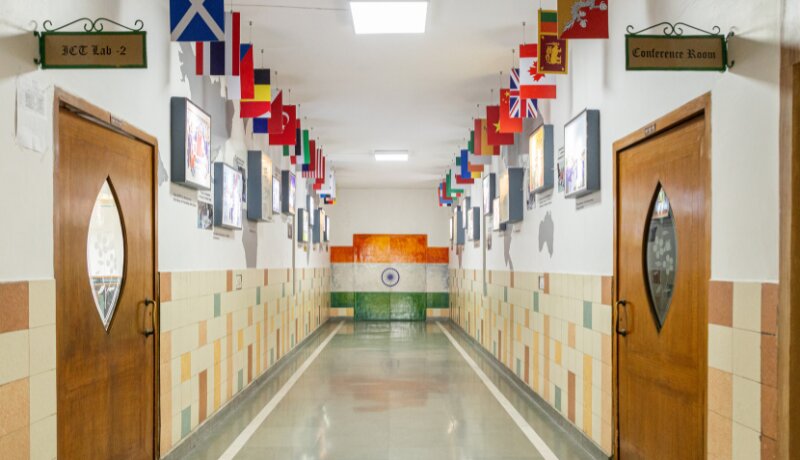
International education focuses on preparing students to understand and participate in an increasingly interconnected world. It encourages learners to explore different perspectives, cultures, ideas, and approaches to problem-solving.
However, international-minded education does not mean students should lose connection with their own culture and values. Instead, students can learn to appreciate their heritage while respecting different cultures and viewpoints.
This balanced perspective can help children become confident individuals who are comfortable interacting with people from diverse backgrounds.
Academic learning continues to be an essential part of a student's development. A strong foundation in subjects such as mathematics, science, languages, social sciences, and other disciplines helps students prepare for higher education and future careers.
However, effective education should focus on understanding rather than memorisation.
Students should be encouraged to:
This approach helps students become independent learners who can continue acquiring knowledge even after completing their formal education.
One of the important benefits associated with an international outlook is greater awareness of the world beyond one's immediate surroundings.
Students can learn about different:
Exposure to different perspectives can help children understand that people may have different experiences and opinions while still sharing common human values.
This awareness can encourage tolerance, empathy, and respectful communication.
Communication has become an essential skill in education, professional life, and everyday interactions.
Students need to learn how to express their ideas clearly while also listening to others. Internationally oriented learning environments can provide opportunities for communication through:
These experiences can gradually build confidence and help students communicate with different audiences.
Students entering higher education and the workplace will encounter problems that may not have straightforward answers. They therefore need the ability to analyse situations and develop thoughtful solutions.
International education can encourage critical thinking by asking students to examine information from multiple perspectives rather than simply accepting everything they read or hear.
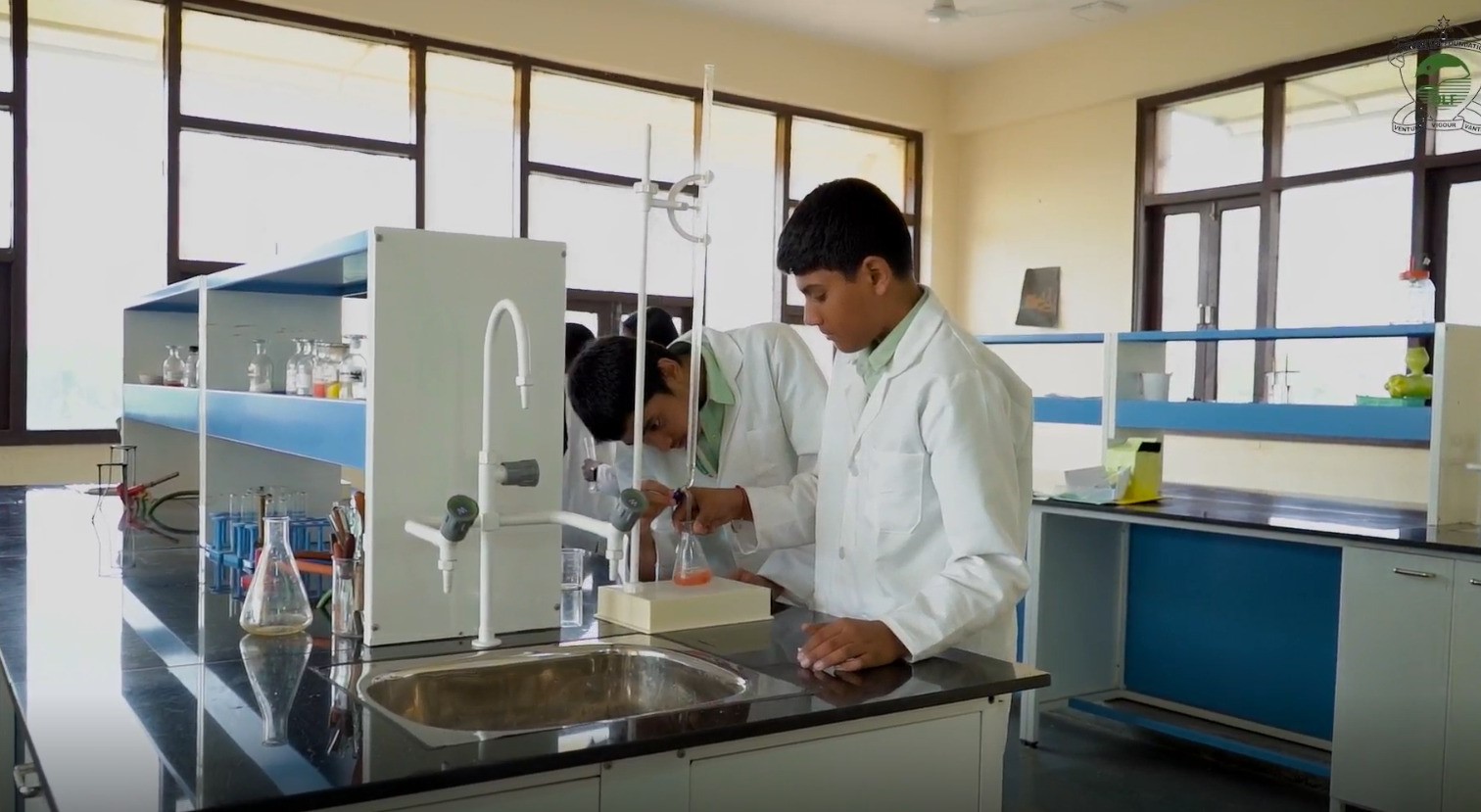
Activities such as research projects, experiments, discussions, case studies, and problem-solving exercises can help develop:
These skills can remain valuable throughout a student's life.
The future will require people who can imagine new possibilities and adapt to changing circumstances. Creativity should therefore have an important place in education.
Students can explore creativity through:
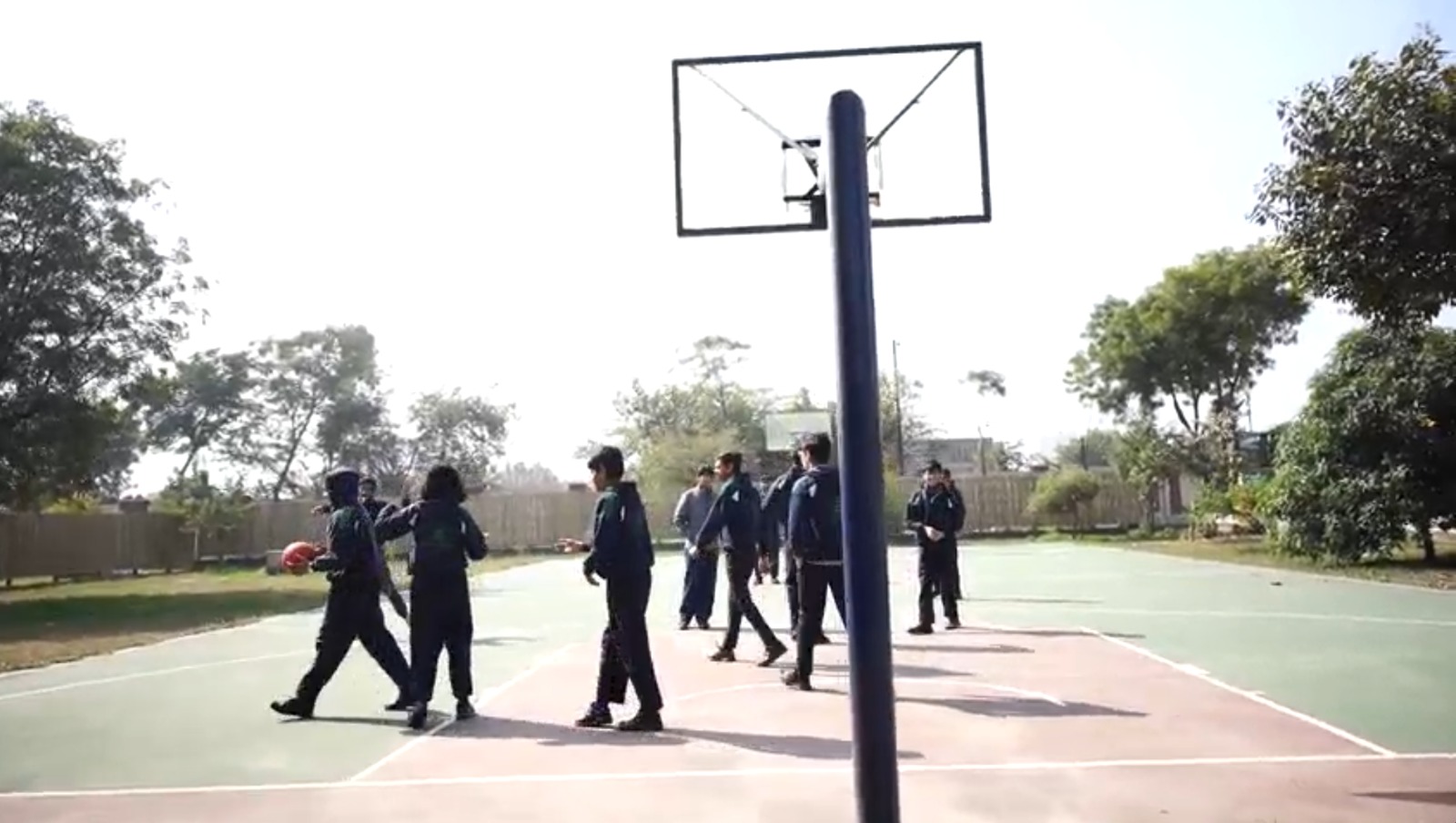
Overall education should include physical development alongside intellectual growth.
Sports and physical activities can help children develop healthy habits while teaching important qualities such as:
Participation in sports also provides students with opportunities to experience both success and setbacks. Learning how to respond to both can contribute to emotional maturity.
Academic and extracurricular opportunities are valuable only when students feel secure and supported.
Children may experience different challenges as they progress through school, including academic pressure, social changes, examinations, and uncertainty about their future.
A supportive educational environment can encourage students to communicate their concerns and seek appropriate guidance.
Teachers, parents, and school counsellors can work together to create a culture where students feel respected and comfortable asking for help.
Education has an important responsibility beyond preparing students for careers. It should also help them understand their responsibilities towards other people and society.
A good citizen is not defined only by academic achievement. Good citizenship involves qualities such as:
Schools can develop these values through classroom discussions, community projects, environmental initiatives, teamwork, and opportunities for students to take responsibility.
When children learn to consider how their actions affect others, they begin developing the foundations of responsible citizenship.
Today's students will eventually become responsible for addressing many environmental challenges. Education can help them understand the importance of protecting natural resources and maintaining a sustainable environment.
Schools can introduce environmental awareness through:
Such experiences help students understand that environmental responsibility is not just a classroom topic but part of everyday life.
Technology plays a major role in modern education and professional life. Students need to learn how to use digital tools effectively while also understanding responsible digital behaviour.
Technology can support learning through digital resources, educational platforms, interactive content, research, presentations, and collaborative projects.
At the same time, students should learn about responsible technology use, online communication, information evaluation, and digital etiquette.
Future success often depends on the ability to work with people rather than work alone.
Group projects, student clubs, sports teams, cultural programmes, and leadership opportunities can teach children how to:
These experiences can prepare students for collaborative environments in higher education and professional life.
Internationally oriented education can give students a broader understanding of educational and professional opportunities.
As students approach senior classes, they may begin exploring different higher education pathways and career options. Schools can support them through career counselling, aptitude assessments, exposure to different professions, and guidance regarding higher education.
The objective should be to help students understand their own interests and strengths so that they can make informed decisions about their future.
A child's education becomes more effective when parents and teachers work together.
Regular communication can help parents understand their child's academic progress, interests, social development, and areas where additional support may be required.
Parents can also encourage children to explore different activities, develop healthy habits, read widely, and remain curious about the world around them.
Parents comparing international schools in Noida should consider the complete educational environment rather than focusing on one feature.
Some important factors include:
Visiting a school and interacting with teachers can give parents a clearer understanding of its educational philosophy and approach towards student development.
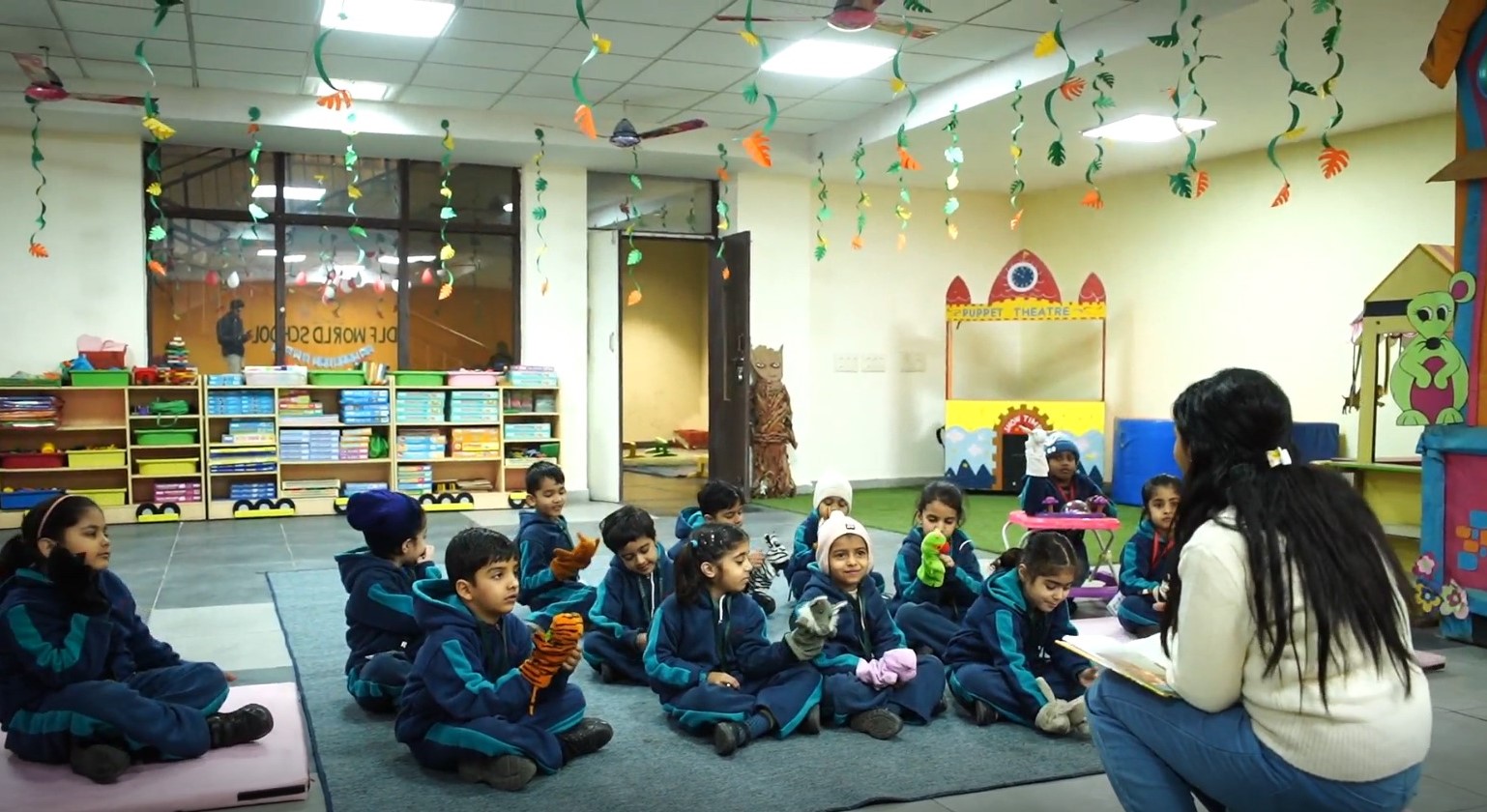
For families exploring international schools in Noida, DLF World School focuses on providing students with opportunities to develop beyond conventional academics.
A modern educational environment should encourage students to become confident learners while also developing creativity, communication, leadership, values, social awareness, and responsibility.
The broader objective is to prepare children for a world where they will interact with people from different backgrounds, encounter new technologies, face complex challenges, and contribute to society in different ways.
Education should therefore help students remain curious, adaptable, respectful, and willing to learn throughout their lives.
The purpose of education extends far beyond examination scores. In a connected world, students need academic knowledge as well as communication skills, critical thinking, creativity, emotional strength, cultural awareness, physical fitness, and strong values.
For parents researching international schools in Noida, the right educational environment should provide opportunities for children to understand the world while developing a strong sense of responsibility towards their community.
Ultimately, the goal of education is not simply to prepare students for a successful career. It is to help them become thoughtful individuals, responsible citizens, confident professionals, and compassionate members of society.
A truly holistic education gives children the knowledge to understand the world, the skills to participate in it, and the values to make it a better place.