

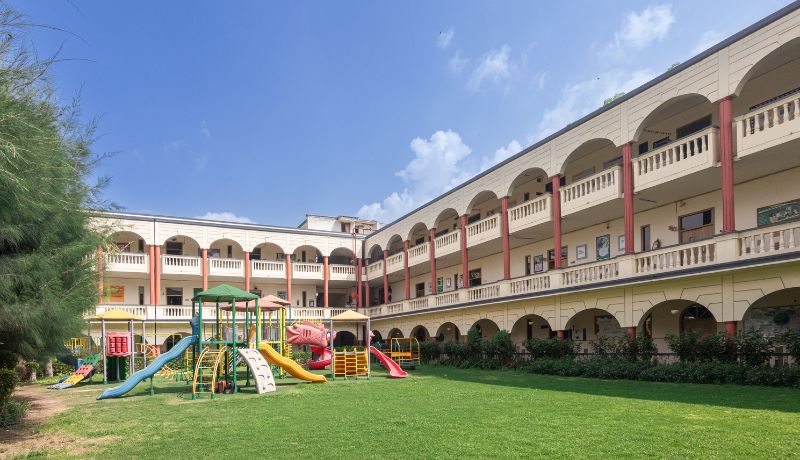
Choosing a school is an important decision because the school environment can influence a child's academic foundation, personality, confidence, habits, and approach to learning. As Noida Extension continues to develop as a residential and educational hub, parents have access to several educational options and often search for good schools in Noida Extension that can provide a balanced learning experience.
But what actually makes a school good?
Today, education is no longer limited to textbooks, homework, and examinations. Children need academic knowledge, but they also need creativity, critical thinking, communication, emotional confidence, physical fitness, digital awareness, practical skills, and strong values.
This is where modern education becomes important. A school that embraces a broader approach to learning can help students prepare not only for examinations but also for higher education, careers, relationships, responsibilities, and an increasingly changing world.
The definition of a good school can differ from one family to another. However, certain elements can contribute to a meaningful educational experience.
When parents explore good schools in Noida Extension, they can look for a learning environment that provides:
The combination of these elements can help children develop as well-rounded individuals.
Academic education remains an important part of a child's development. Subjects such as mathematics, science, languages, and social sciences provide the foundation for future learning.
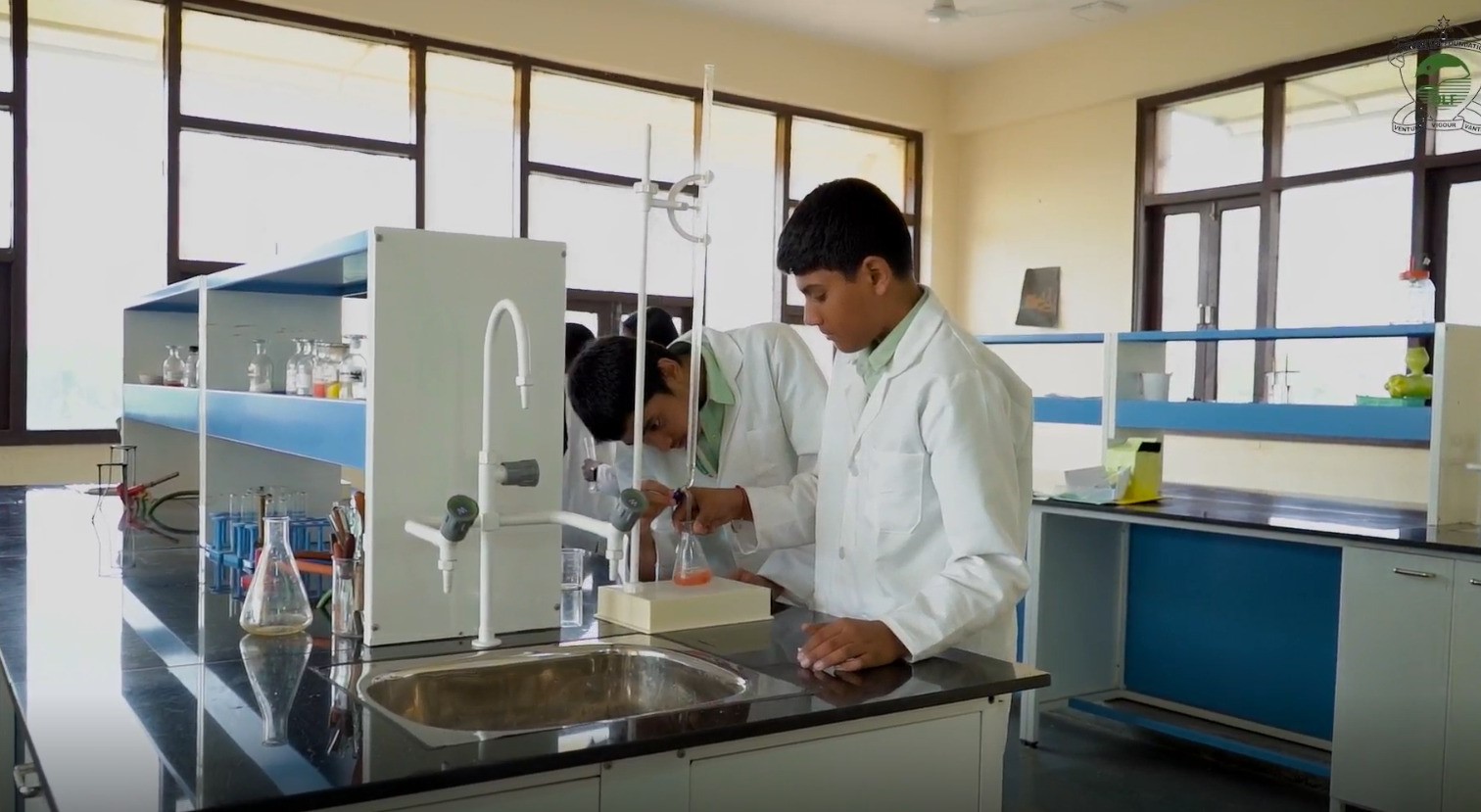
However, modern education encourages students to understand concepts instead of simply memorising information. Teachers can use examples, experiments, projects, discussions, and activities to connect classroom concepts with everyday life.
When children understand how knowledge can be applied, learning becomes more relevant and engaging.
The world is full of information. Students can access knowledge through books, websites, videos, applications, and social media. The ability to evaluate information and think independently has therefore become increasingly important.
Modern schools can develop critical thinking through:
These methods encourage students to ask questions, examine different viewpoints, and develop their own reasoning.
Creativity helps children approach challenges from different perspectives. It can be developed through subjects and activities such as art, music, writing, theatre, design, science projects, and technology.
A modern school should provide opportunities for students to experiment with ideas and explore their interests.
Importantly, children should also understand that making mistakes is a natural part of learning. When students are encouraged to try, revise, and improve their ideas, they can become more confident and innovative thinkers.
Education should extend beyond traditional classroom lessons. A child's development can also be influenced by sports, cultural programmes, clubs, competitions, field experiences, and collaborative projects.
Parents looking for good schools in Noida Extension can therefore consider the range of learning opportunities available outside regular academic subjects.
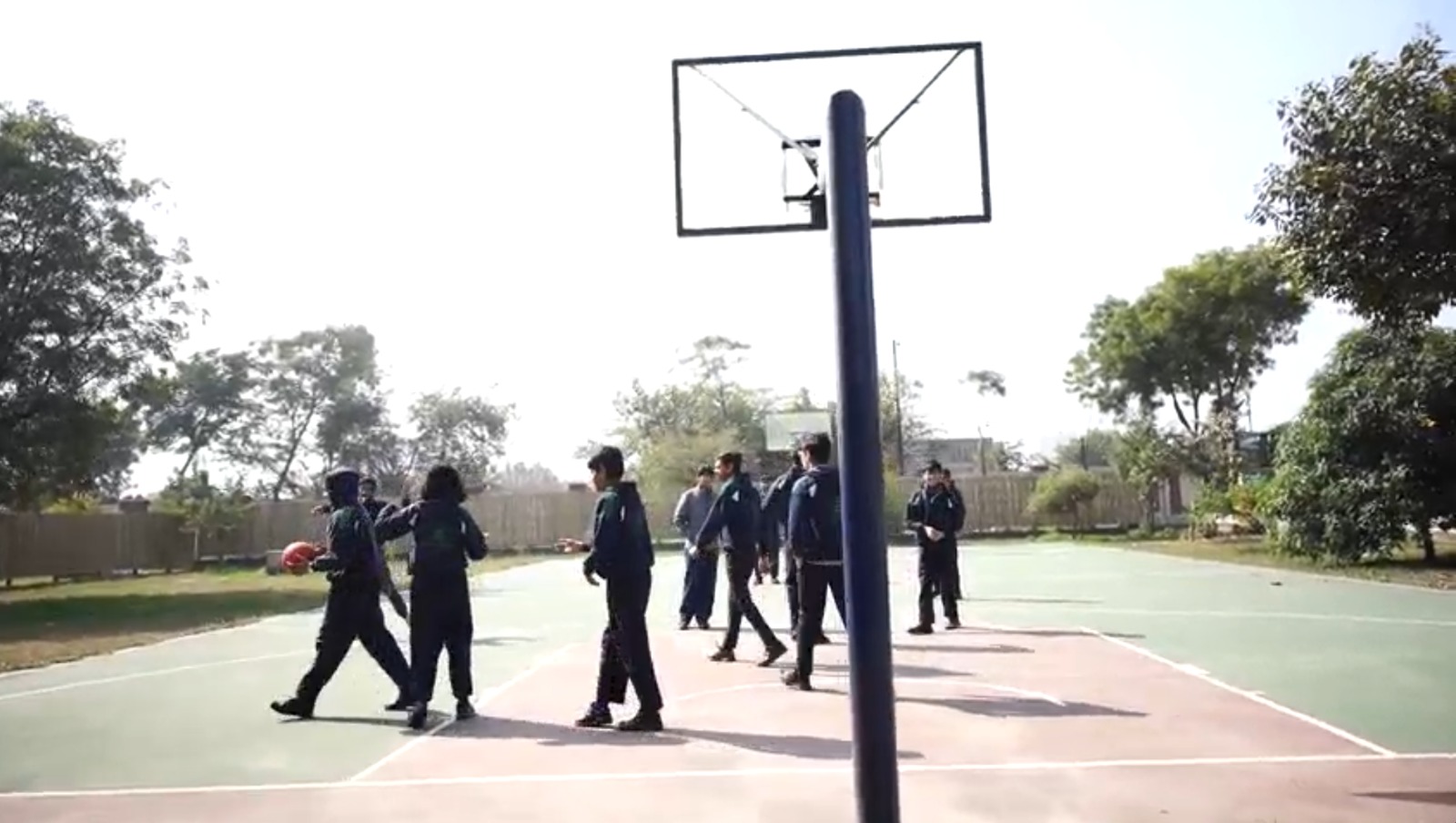
Physical activity contributes to a child's overall well-being. Sports can help develop fitness while also teaching valuable qualities such as discipline, teamwork, patience, perseverance, and sportsmanship.
Team activities can also teach students how to communicate with others, follow rules, manage challenges, and work toward a common goal.
Strong communication skills can help students throughout their academic and professional lives.
Classroom discussions, presentations, debates, group projects, cultural activities, and collaborative assignments can help children express their ideas more clearly and listen respectfully to others.
These experiences can gradually improve confidence and interpersonal skills.
Technology has changed the way students learn and interact with information. Modern education can use technology to make lessons more interactive and provide access to diverse learning resources.
Digital tools can support:
However, technology should complement teachers rather than replace meaningful human interaction.
Students should also learn responsible digital behaviour, including online safety, information evaluation, privacy awareness, and appropriate communication.
A child's school experience involves more than academic performance. Students also need an environment where they feel supported, respected, and comfortable expressing themselves.
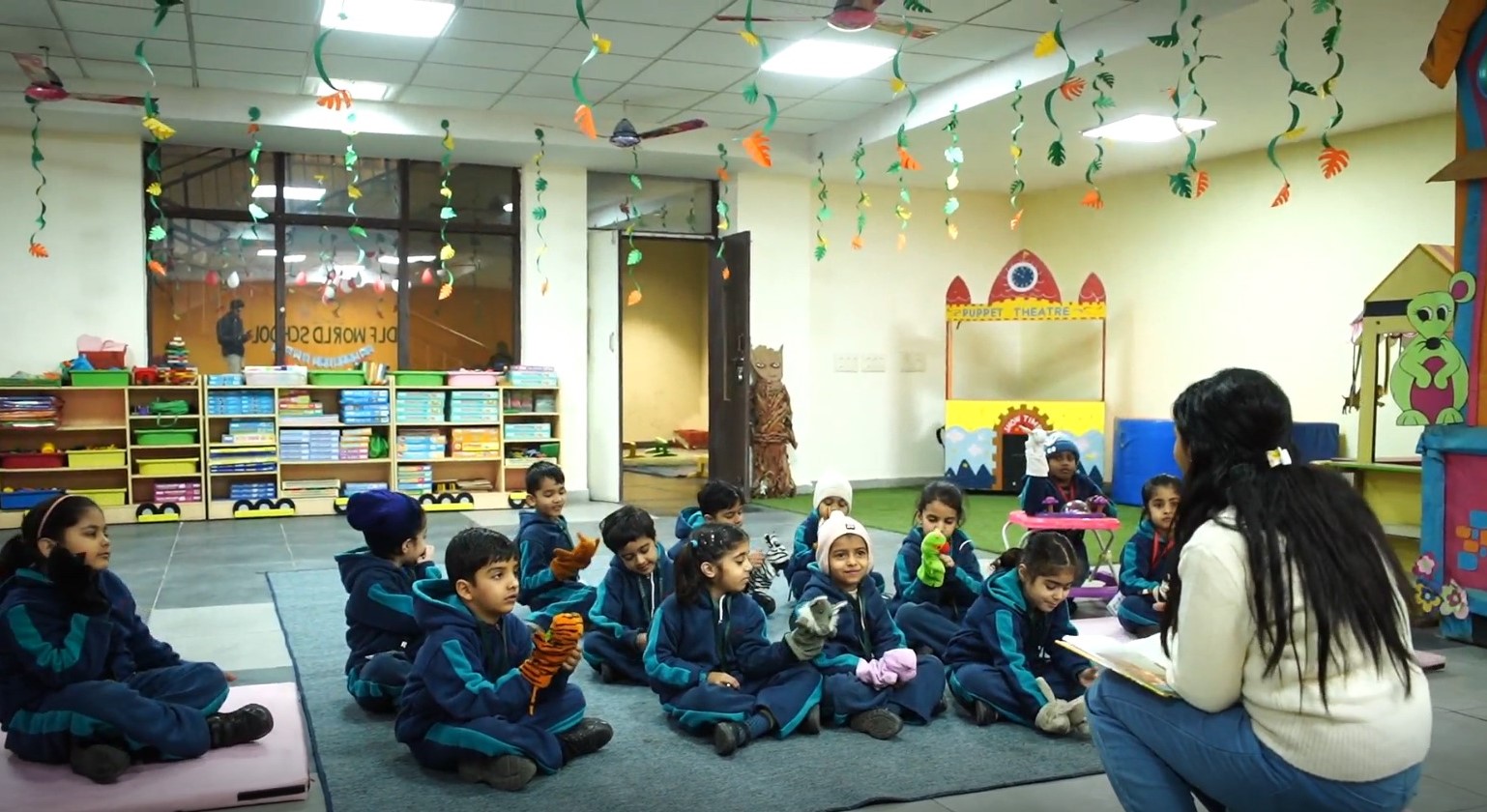
Modern education recognises the importance of emotional and social development. Children can be encouraged to understand their emotions, build healthy relationships, manage challenges, and develop resilience.
A supportive school environment can help students feel more confident about asking questions, participating in activities, and learning from mistakes.
Education has an important role in shaping the way students interact with other people and society.
Values such as honesty, empathy, respect, kindness, responsibility, cooperation, and fairness can be developed through everyday school experiences.
Students can learn responsibility through leadership opportunities, classroom duties, teamwork, community activities, and social initiatives.
This helps them understand that education is not simply about achieving personal success. It is also about becoming responsible members of society.
Modern education also needs to prepare students to understand environmental responsibilities.
Children can learn about sustainability, conservation, waste management, biodiversity, and responsible consumption through practical activities.
Schools can introduce environmental learning through:
Such activities can make environmental education more practical and encourage responsible habits from an early age.
One of the most important goals of modern education is preparing students for a future that may be very different from today.
Technology, automation, globalisation, and changing industries are creating new opportunities and challenges. Students therefore need transferable skills that can help them adapt throughout their lives.
These include:
Academic knowledge provides an important foundation, while these skills can help students use that knowledge effectively.
When searching for good schools in Noida Extension, parents should consider the overall educational experience rather than relying on one factor.
Some useful considerations include:
Understand whether the school focuses primarily on memorisation or encourages conceptual understanding, questioning, experimentation, and application.
Look at opportunities in sports, arts, music, cultural activities, clubs, competitions, and other areas of interest.
Consider whether the school provides a supportive environment where children's emotional and social development is taken seriously.
Evaluate whether technology and infrastructure are used meaningfully to support learning.
Look for opportunities that encourage communication, leadership, responsibility, teamwork, and ethical behaviour.
A positive relationship between parents and the school can help create consistency between learning at home and school.
For families exploring educational options around Noida Extension and Greater Noida, DLF World School reflects the broader concept of holistic education.
The school's educational approach can be viewed in the context of developing students beyond academics, with opportunities that support communication, creativity, physical development, confidence, values, practical learning, and social awareness.
For parents, considering these aspects along with curriculum, teaching methodology, infrastructure, and student support can help provide a more complete understanding of what a school offers.
The search for good schools in Noida Extension is ultimately about finding an environment where children can learn, grow, explore their interests, and develop confidence for the future.
Modern education recognises that academic knowledge is only one part of a child's development. Critical thinking, creativity, communication, sports, emotional well-being, digital awareness, environmental responsibility, life skills, and values are equally important in preparing students for a changing world.
Parents can therefore look beyond examination results and facilities when evaluating schools. A balanced educational environment can help children become independent learners, responsible citizens, confident communicators, and adaptable individuals.
Choosing a school with this broader vision can give children a stronger foundation—not just for their next examination, but for the many stages of life that follow.