

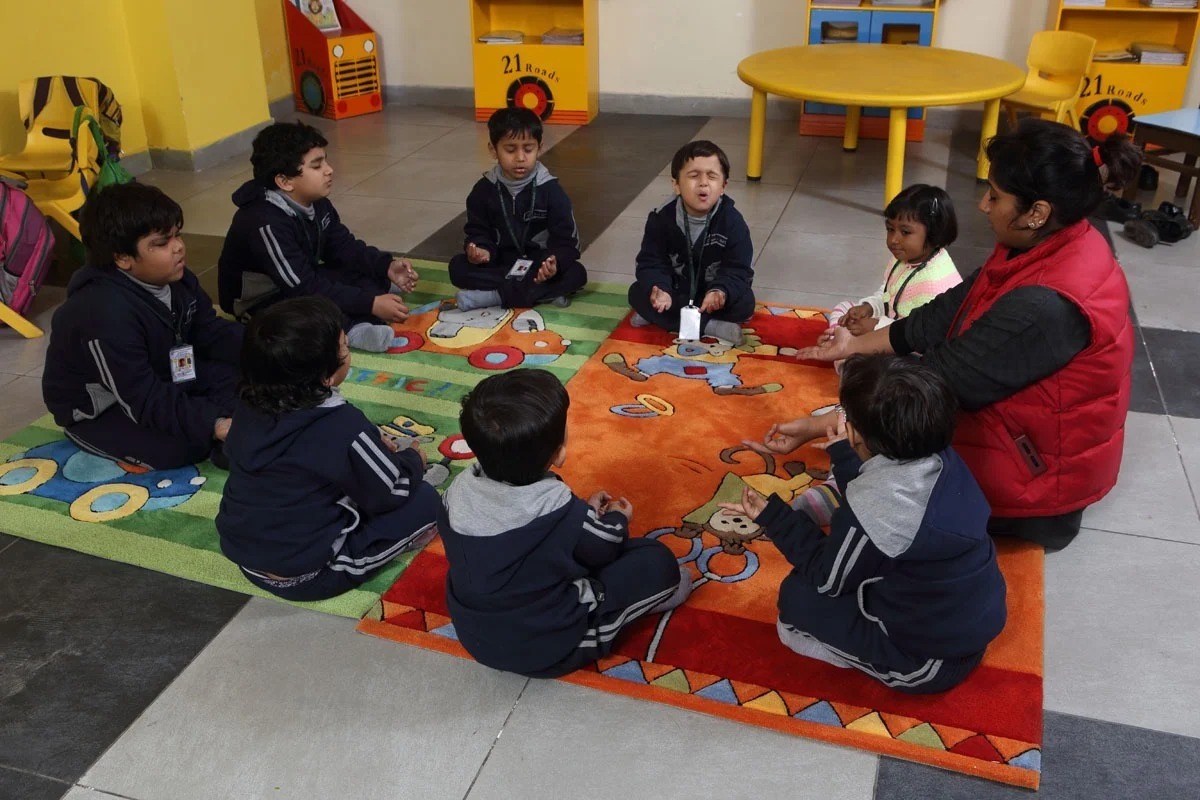
The early years of a child’s life are filled with curiosity, exploration, imagination, and rapid development. These years form the foundation on which future learning, behaviour, communication, and personality are built. This is why choosing the right nursery school is an important decision for parents.
When parents search for the best nursery school in Noida, they should look beyond classrooms, facilities, and academic activities. Nursery education is primarily about creating a safe, stimulating, and encouraging environment where children can begin their educational journey with confidence and happiness.
A good nursery school introduces children to the experience of learning while allowing them to learn through play, interaction, exploration, creativity, and everyday experiences.
Nursery is often a child's first structured experience outside the home. It is a significant transition from spending most of their time with family to interacting regularly with teachers and other children.
This stage can help children gradually develop:
The objective is not to rush children into formal academic learning. Instead, nursery education should create a positive relationship with learning from the very beginning.
A strong educational foundation does not mean making young children memorise large amounts of information. It means helping them develop the basic abilities they will use throughout their student life.
Early learning can introduce children to concepts such as numbers, letters, colours, shapes, sounds, patterns, and vocabulary through age-appropriate activities.
For example, counting objects during a game can introduce mathematical thinking, while storytelling can improve listening and language development.
These simple experiences gradually prepare children for more structured learning in the years ahead.
Play is one of the most natural ways for young children to learn. Through play, children experiment, make choices, solve small problems, communicate with others, and understand their surroundings.
A nursery environment can use:
Such activities can make learning enjoyable while supporting cognitive, physical, social, and emotional development.
For parents looking for the best nursery school in Noida, the way a school approaches play-based learning is an important factor to consider.
Language development is a major part of early childhood education. Nursery children are learning how to express their thoughts, understand instructions, communicate their needs, and interact with people around them.
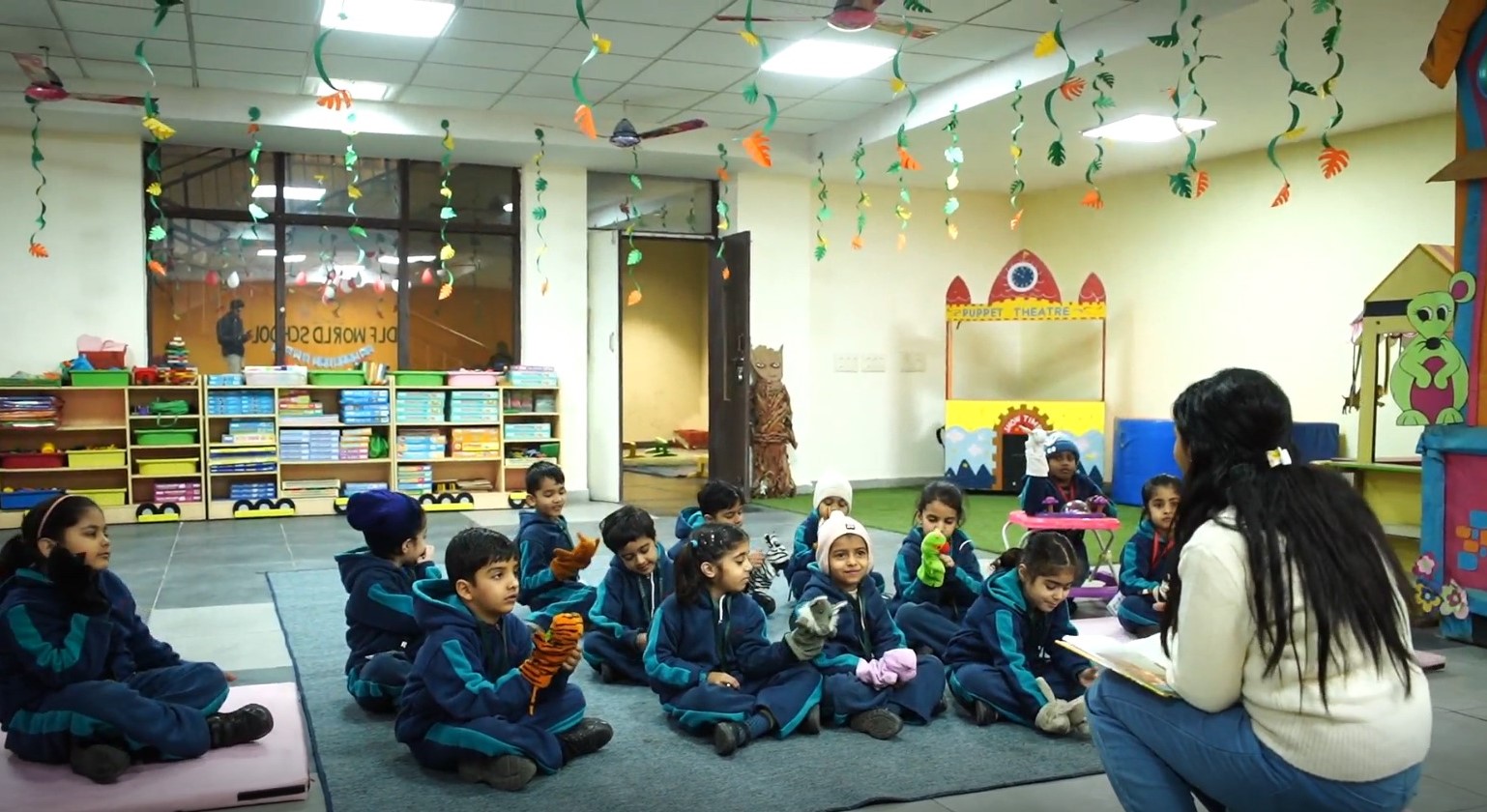
Teachers can encourage communication through conversations, storytelling, rhymes, group discussions, songs, and interactive activities.
A child who learns to express themselves comfortably can gradually develop greater confidence in classroom participation and social situations.
Nursery is also where many children begin developing regular relationships with peers outside their family.
Through group activities, children learn important social behaviours such as:
These experiences form an early foundation for positive relationships throughout student life.
Starting school can be exciting, but it can also be an emotional experience for young children. Some children may initially feel anxious about being away from their parents or interacting with unfamiliar people
A nurturing nursery environment can help children gradually become comfortable with the school routine.
Teachers who respond with patience, encouragement, and understanding can help children develop a sense of security. Feeling safe and accepted can make it easier for children to explore, interact, and learn.
One of the important milestones during the nursery years is developing independence.
Children can be encouraged to perform simple age-appropriate tasks such as:
These small responsibilities can help children develop confidence in their own abilities.
Every child has the potential to be creative. Nursery education provides an opportunity to nurture that creativity before children become overly focused on right and wrong answers.
Drawing, painting, music, storytelling, dramatic play, and creative activities allow children to experiment with ideas and express themselves.
Creativity can also support problem-solving and flexible thinking—skills that remain useful throughout education and adult life.
Early education should support physical development alongside cognitive learning.
Activities involving running, jumping, balancing, drawing, colouring, cutting, building, and manipulating objects can help children develop gross and fine motor skills.
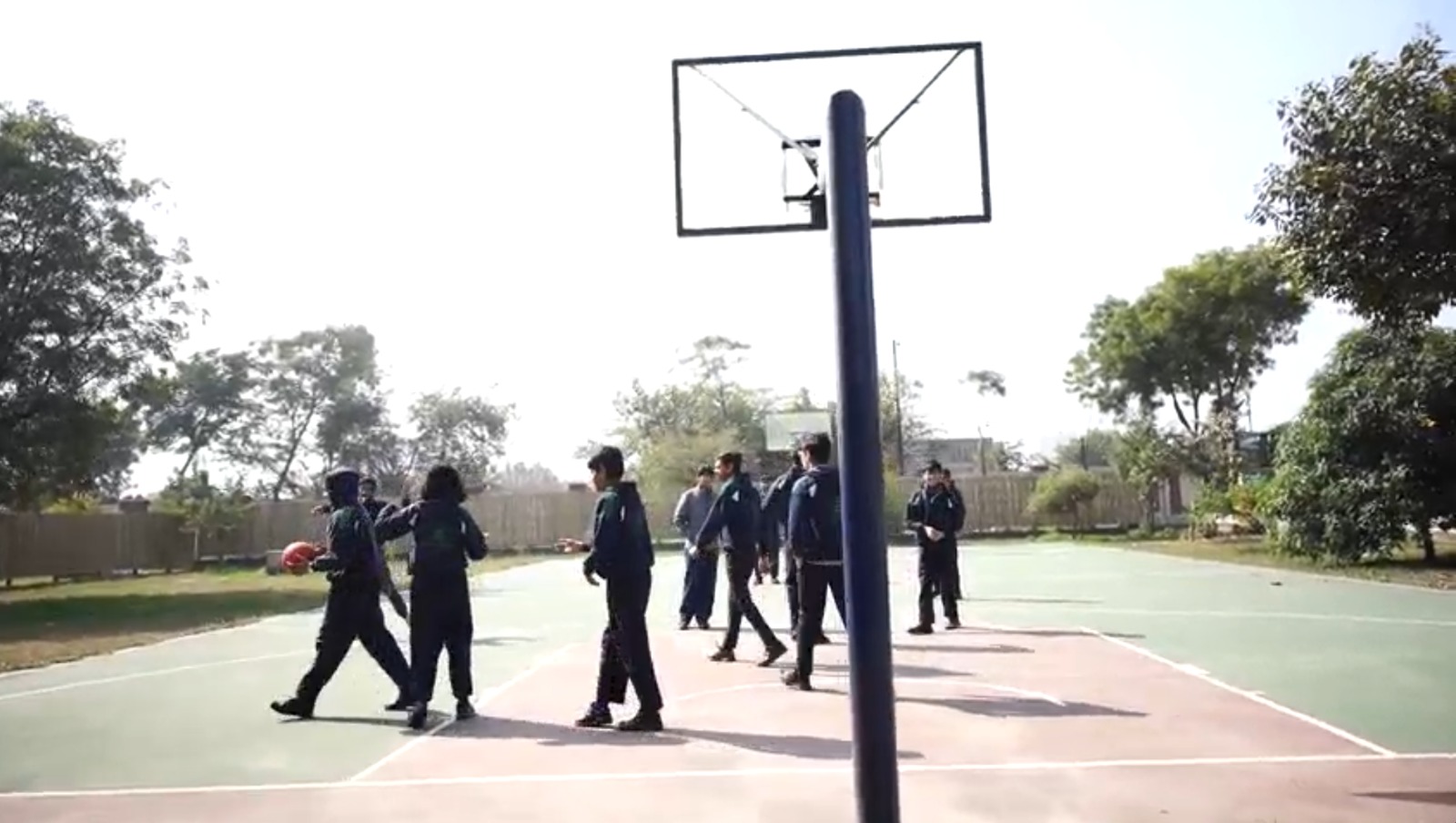
Outdoor play also gives young children an opportunity to remain physically active while learning how to interact with their surroundings.
Children naturally ask questions. A good nursery environment does not discourage this curiosity; it encourages children to explore and discover.
Instead of simply providing answers, teachers can encourage children to ask questions such as:
This approach helps children understand that learning is an enjoyable process of discovery.
Nursery school can introduce children to simple routines that can benefit them throughout their student life.
Regular schedules help children understand concepts such as:
These habits may appear simple during early childhood, but they can gradually become part of a child's everyday behaviour.
Teachers play an especially important role during the nursery years. Young children learn not only from activities but also from the adults around them.
An effective early-years teacher should be patient, attentive, encouraging, and responsive to individual differences.
Every child develops at their own pace. Some may communicate quickly, while others may take more time to become comfortable in a group. A supportive teacher can recognise these differences and provide appropriate encouragement.
Parents remain an important part of a child's early educational journey. Strong communication between parents and teachers can help create consistency between home and school.
Regular interaction can help parents understand:
When families and schools work together, children can receive more consistent support during this important developmental stage.
Parents comparing options for the best nursery school in Noida should consider several factors.
Instead of focusing only on academic activities, look at:
Visiting the school can also help parents understand whether the environment feels welcoming, engaging, and suitable for their child.
For families exploring the best nursery school in Noida, DLF World School focuses on creating an environment where children can begin their educational journey with curiosity and confidence.
The early years should provide children with opportunities to learn through interaction, creativity, play, communication, and exploration. This balanced approach can help children develop the foundational skills they will continue building throughout their school years.
The aim of nursery education should not be to make children grow up faster. It should be to give them the right environment to grow naturally, confidently, and happily.
Nursery education represents the beginning of a child's formal student life. The experiences children have during these early years can influence their attitude towards learning, relationships, communication, independence, and personal development.
For parents searching for the best nursery school in Noida, the most important question should not simply be, "What will my child learn?" It should also be, "How will my child grow?"
A strong nursery environment helps children discover the joy of learning while developing communication, creativity, confidence, social awareness, physical abilities, and emotional security. These foundational experiences become building blocks for the years of education that follow.
The right beginning can make a meaningful difference—not by putting pressure on children, but by giving them the confidence, curiosity, and support to take their first steps into the world of learning.